What makes a website convert for service businesses?
A lot of service businesses think their website problem is visual.
Usually, it is not.
Most of the time, the issue is clarity.
If visitors land on your website and cannot quickly understand what you do, who you help, and why they should trust you, they leave. It does not matter how modern the design is if the experience feels confusing or disconnected.
For service businesses in Belfast and across Northern Ireland, a website should do more than just exist online. It should actively support enquiries, build trust, and guide people towards taking action.
Good web design for small businesses is not about cramming every detail onto a page. It is about structure, messaging, and creating a user experience that feels simple and intuitive.
So what actually makes a website convert?
Clear messaging comes first
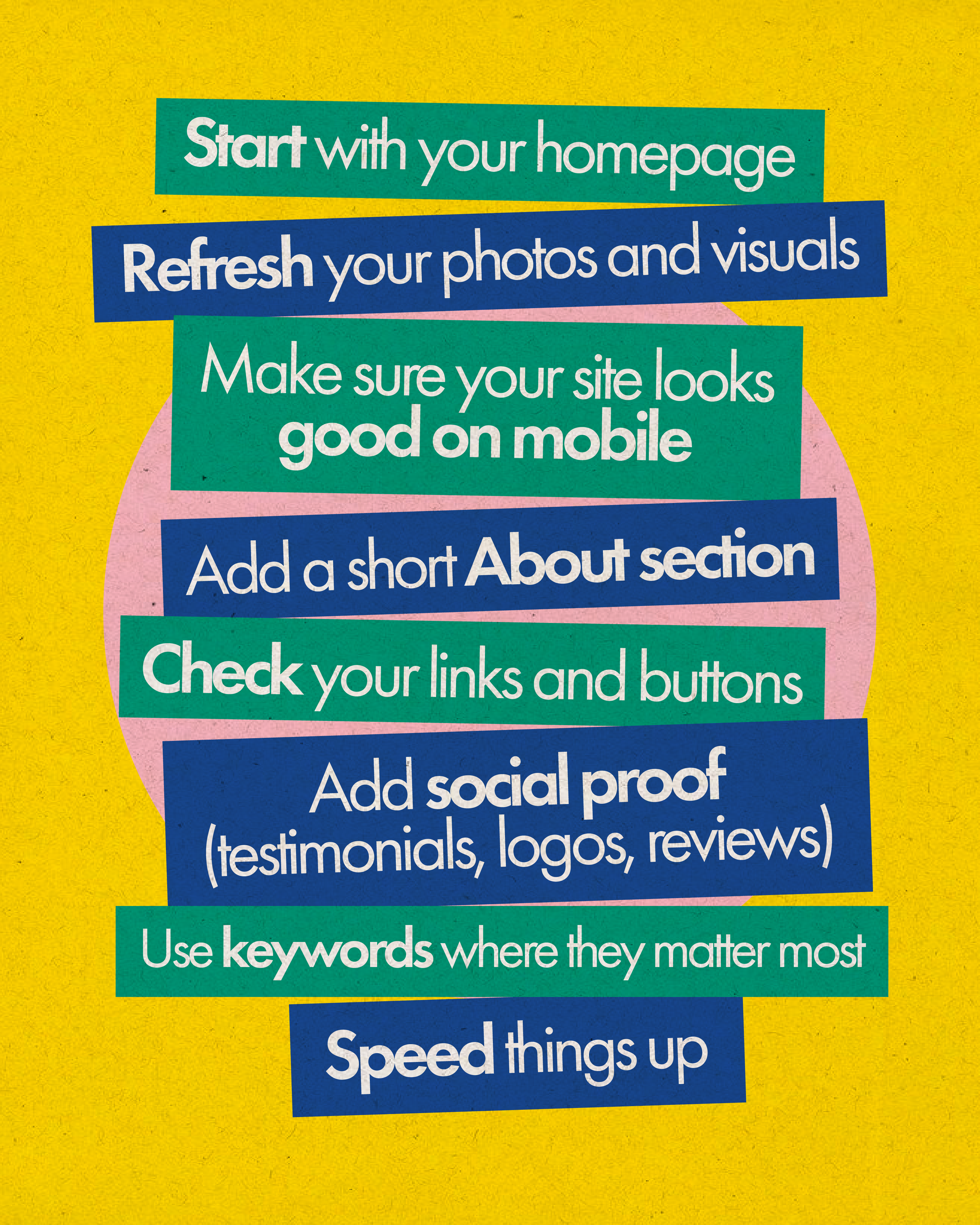
One of the biggest mistakes businesses make is assuming visitors already understand what they do.
Your homepage should communicate three things almost immediately:
what you do
who you do it for
why someone should care
If someone lands on your website and has to scroll halfway down the page to figure that out, you are losing people.
A strong homepage headline should feel clear rather than clever. The goal is not to impress people with jargon. The goal is to help them quickly understand whether they are in the right place.
For example, “Helping hospitality businesses in Belfast improve direct bookings through branding and web design” is much stronger than something vague like “creative solutions for modern brands.”
Clarity converts better than complexity.
Structure matters more than people think
A good website guides people naturally.
The structure should feel intentional and easy to follow. Visitors should not have to work hard to find information.
For service based businesses, the most effective websites often follow a simple flow:
clear introduction
explanation of services
trust building content
examples or case studies
strong call to action
Think about how people behave online. Most users scan before they fully read. Good structure helps them absorb information quickly without feeling overwhelmed.
This is especially important for professional services, creative studios, and hospitality businesses where trust is a huge factor in decision making.
Simple user experience wins
A website does not need flashy animations or complicated interactions to perform well.
In fact, overly complicated websites often convert worse.
Good UX, or user experience, means the website feels smooth, intuitive, and easy to navigate. Buttons are clear. Navigation makes sense. Information is easy to find. Pages load properly on mobile devices.
A huge amount of web traffic now comes from phones. If your website only looks good on desktop, you are already losing potential enquiries.
Simple UX also means reducing friction. If someone wants to contact you, book a consultation, or make an enquiry, the process should feel straightforward.
The easier you make the next step, the more likely people are to take it.
Trust signals are essential
People rarely enquire the first second they land on a website. They look for reassurance first.
That reassurance can come through:
testimonials
client logos
case studies
press features
clear photography
consistent branding
transparent information
For small businesses in Northern Ireland, trust signals matter even more because reputation and referrals play such a strong role locally.
A polished but human website usually performs better than one trying too hard to look corporate.
Good design supports the message
Design still matters, just differently than most people think.
Good design should support communication rather than distract from it.
Spacing, typography, imagery, and layout all influence how trustworthy and professional a business feels online. But design works best when it reinforces clear messaging and structure.
For example, if your website feels cluttered, difficult to scan, or visually inconsistent, people may subconsciously question the quality of the service itself.
A clean, thoughtful layout helps visitors focus on what actually matters.
SEO should be built into the website
A beautiful website is not much use if nobody can find it.
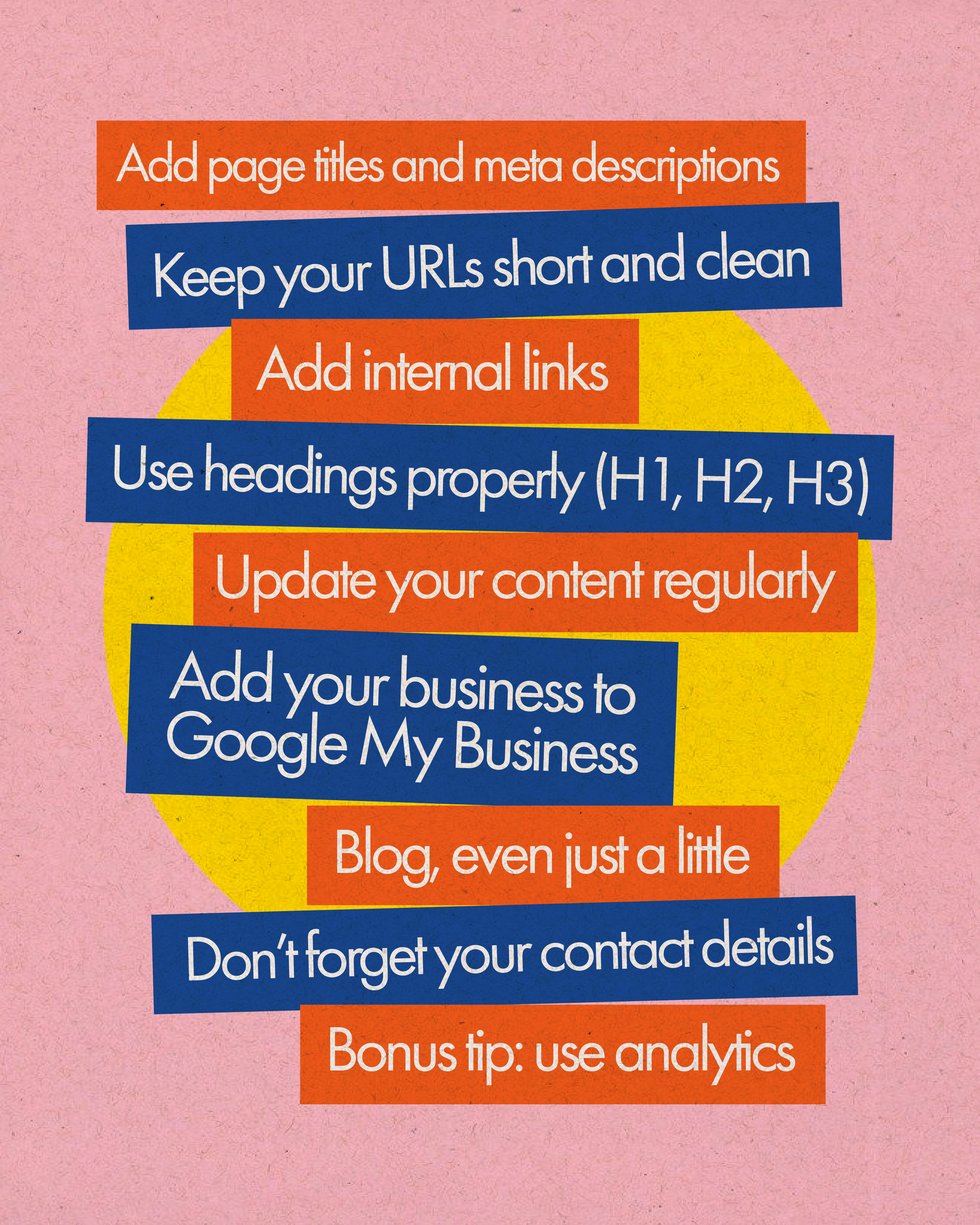
Good web design for small businesses should support SEO from the start. That means:
clear page structures
keyword conscious headings
optimised images
mobile responsiveness
fast loading speeds
useful content
For businesses in Belfast and Northern Ireland, local SEO matters too. Natural phrases like “web design Belfast,” “branding agency Northern Ireland,” or “website design for service businesses” help search engines understand what your business offers and where you operate.
The important thing is keeping it natural. Websites written only for search engines usually feel robotic. The best websites balance SEO with human readability.
What service businesses often get wrong
A lot of websites try to say too much at once.
Too many services. Too many messages. Too many calls to action.
When everything feels important, nothing stands out.
The strongest websites tend to feel focused. They guide visitors towards one clear action at a time. Whether that is booking a consultation, sending an enquiry, or viewing work, the journey feels intentional.
Another common issue is writing from the business perspective rather than the client perspective.
Visitors care less about your process and more about the outcome. Instead of only describing what you do, explain how it helps them.
A simple shift in mindset
Your website is not a brochure.
It is a tool.
It should help your business communicate value, attract the right audience, and support conversions. Every page should have a purpose.
That does not mean websites need to feel sales heavy or overly polished. In fact, the most effective service business websites often feel clear, approachable, and confident rather than pushy.
Let’s wrap it
Good web design for small businesses is not about trends or flashy effects. It is about creating a website that feels easy to understand, easy to navigate, and easy to trust.
For service businesses in Belfast and across Northern Ireland, that combination can make a huge difference in the quality of enquiries and long term growth.
Strong messaging, intentional structure, and simple user experience usually outperform complexity every time.
And if your current website feels unclear, outdated, or disconnected from where your business is heading, it may be worth revisiting the strategy behind it rather than just the visuals.
If you would like a fresh perspective on your website structure, messaging, or customer journey, you can always reach out to Yellow Zest for a chat