Why Identity Drives Purchasing Decisions (Even When We Pretend It Doesn't)
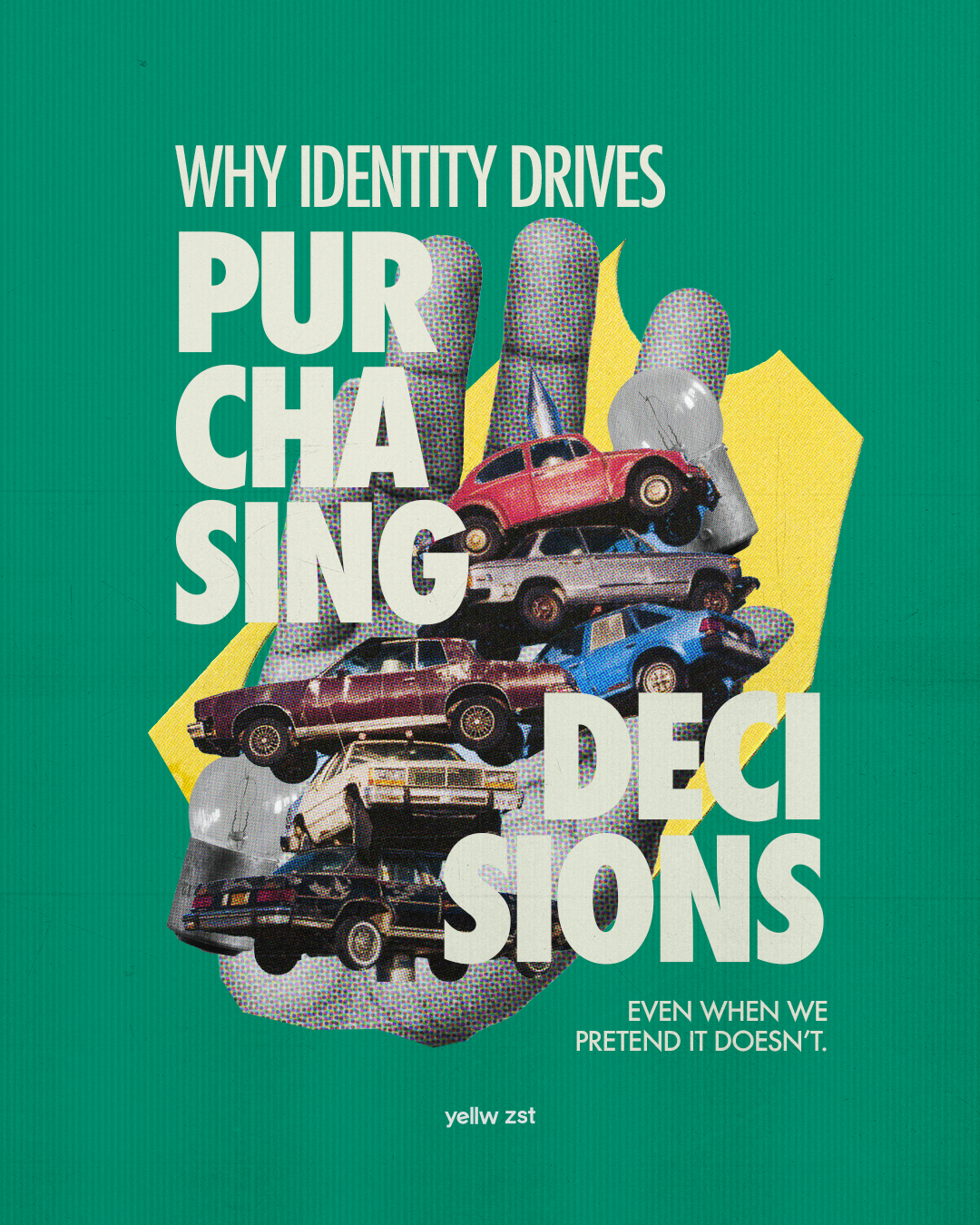
Most businesses compete on features. Some compete on price. The strongest ones compete on identity.
Because once someone sees themselves in your brand, everything changes. They're not comparing you to the shop down the road anymore. They're deciding who they want to be associated with. That's what positioning actually is. Not describing your business, helping the right person look at it and think, that's me.
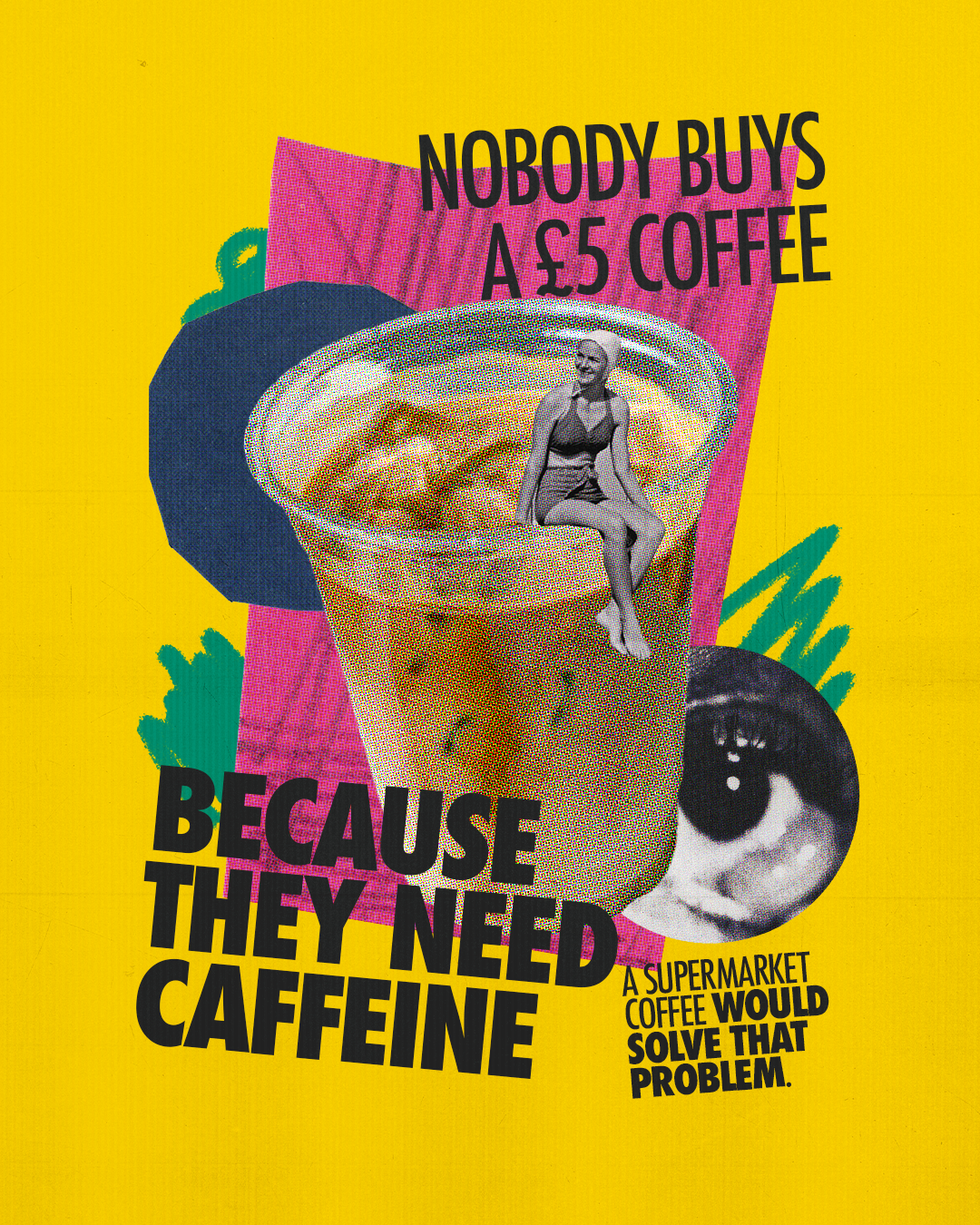
Nobody buys a £5 coffee because they need caffeine
I'll be honest, I've bought a £5 iced coffee I absolutely did not need. A jar of instant at home would have sorted the caffeine out for about 20p. So what was I actually paying for?
Five minutes of feeling like someone who takes five minutes for herself. That's the real product. The coffee was just the ticket in.
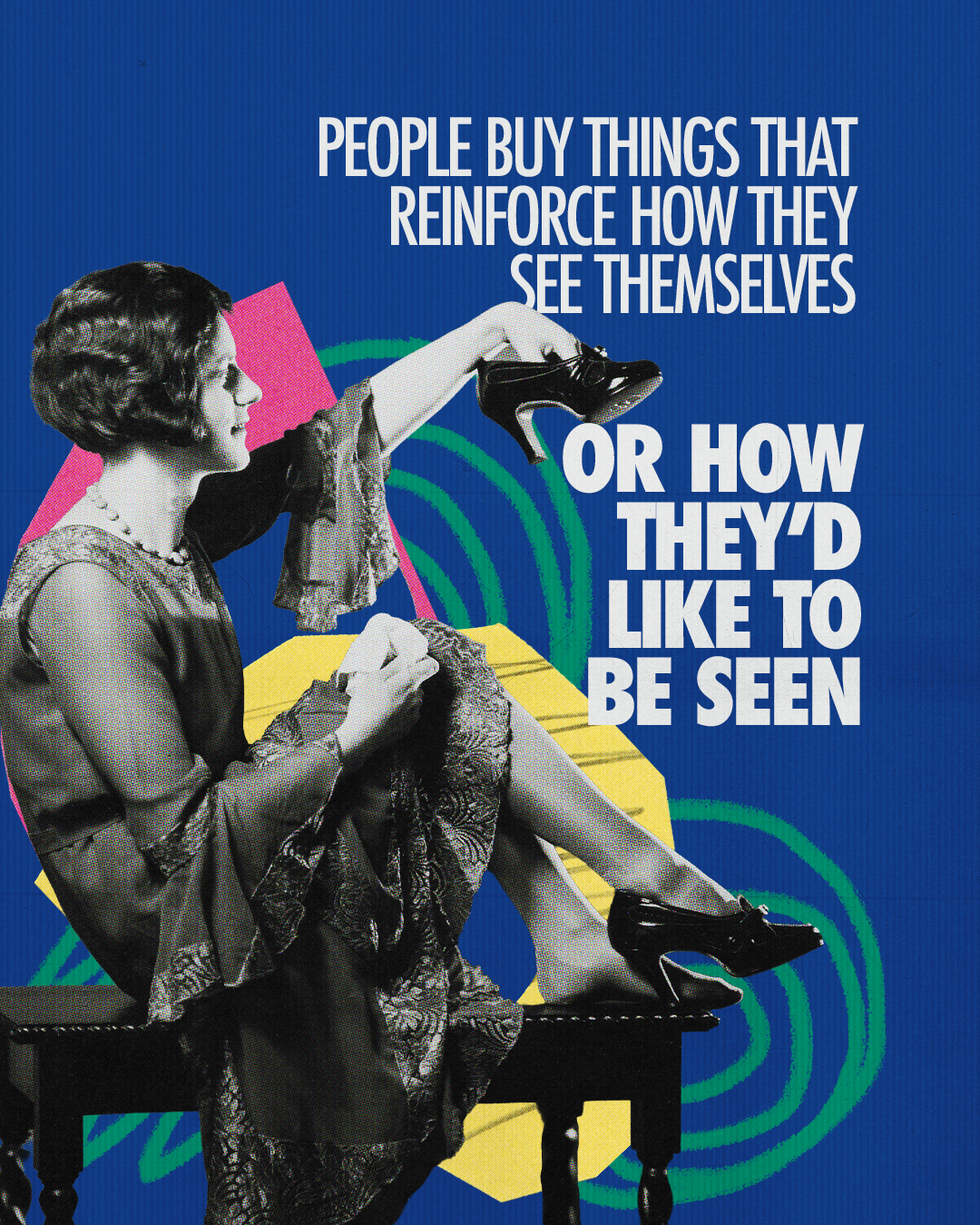
We buy things that reinforce how we see ourselves
We tell ourselves we're rational. Price, quality, convenience, all very sensible. Mostly, though, we're buying little bits of evidence about who we are, or who we're hoping to be.
A pair of shoes isn't really about the shoes. It's about looking like the version of yourself that's got it together. A car says something about you before you've even turned the key. We don't buy things for what they do nearly as often as we buy them for who they let us be, or who they let us pretend to be, at least until we've paid for them.
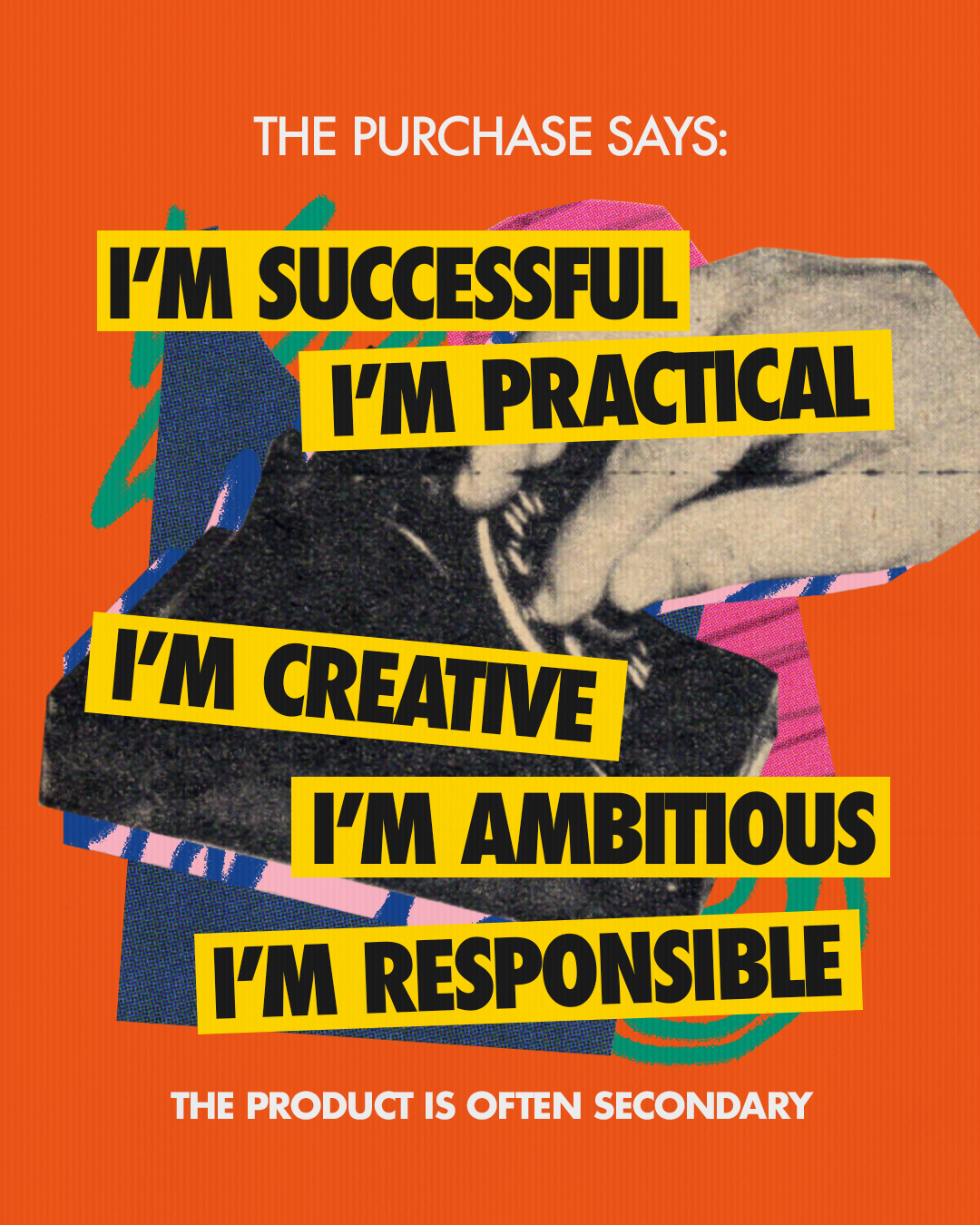
The purchase does the talking
Every purchase is quietly saying something. I'm successful. I'm practical. I'm creative. I'm ambitious. I'm responsible. The actual product is often doing far less work than we'd like to admit, it's really just there to back up the story we're already telling ourselves.
Here's why that matters if you're running a business, whether you like it or not, your branding is either handing people a mirror or it isn't.
People don't buy products, they buy stories
A logo that looks fine hasn't done its job. A website that lists your services accurately, correctly, tidily, still hasn't done its job. What your brand actually needs to do is make someone land on your page and go oh, that's me, or that's who I want to be. And here's the annoying bit, generic branding doesn't fail loudly. It just gets scrolled past, politely ignored, while a brand with genuine personality gets remembered because someone saw a bit of themselves in it.
None of this comes from guessing. It comes from actually knowing who you're talking to, what they care about, and how you want them to feel the second they meet you. That's the unglamorous, unavoidable bit of work underneath every brand people love.
Where to start
If you've ever looked at your own website or logo and thought, this isn't quite landing, this is usually why. It's rarely the colours. It's that nobody's ever quite worked out who your brand is actually for, and what it should be saying to them.
You might not need a full rebrand just yet. You need two hours and some honest questions.
Our Brand Strategy Workshop exists for exactly this, figuring out who you're really speaking to, what makes you different, and how your brand should sound, so people finally see themselves in it. You leave with a written strategy that's yours to use, whatever you do next.
Because the brands people actually remember were never the cheapest, or even the most feature-packed. They're just the ones people looked at and thought, yeah, that's who I want to be seen with.
Let’s book your brand strategy workshop here.